
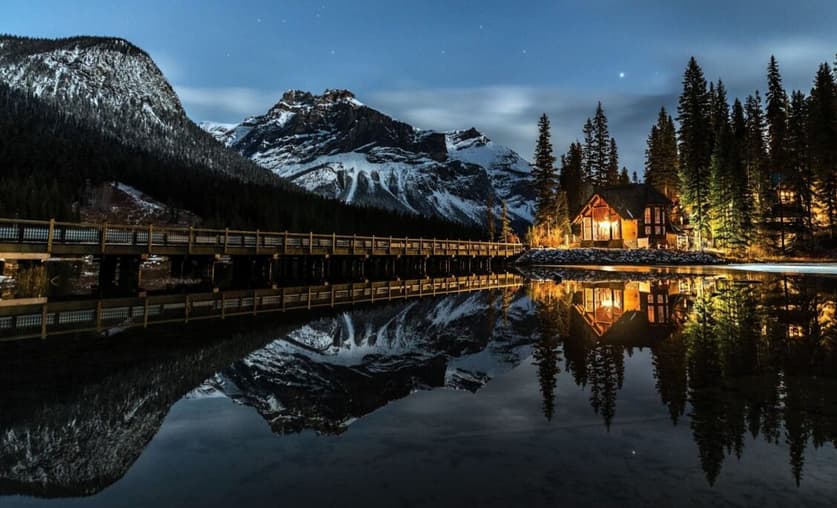
Through glass, water, or a shop window, you add a second layer of reality to a photograph: context, emotion, distortion, or suggestion—especially effective in urban photography, where the space is overflowing with details and reflections help tie them together into a single story. If you approach the shoot mindfully, reflections cease to be accidental and become a compositional tool. Reflections are especially effective in street, architectural, and documentary photography, where they help reveal relationships between subjects and their surroundings. Used intentionally, they add visual depth and narrative ambiguity, encouraging the viewer to linger and interpret the image rather than consume it at a glance.
Glass: Double Exposure Without Post-Processing
Shooting through glass allows you to combine interior and exterior spaces in a single frame. Try getting as close to the glass as possible to reduce unwanted reflections, and move slightly to the side—a 90-degree angle often makes the image appear flat.
Look for scenes where reflections add meaning: a person behind the glass and the city outside, a café interior and street traffic, a face and the flow of people. The relationship between the elements is important here—the frame should be readable, not degenerate into visual noise.
Settings
- Aperture: f/2.8–f/4 to separate the main subject from the background
- ISO: as low as possible to preserve detail
- Focus: manual or spot, otherwise autofocus may “jump” between layers
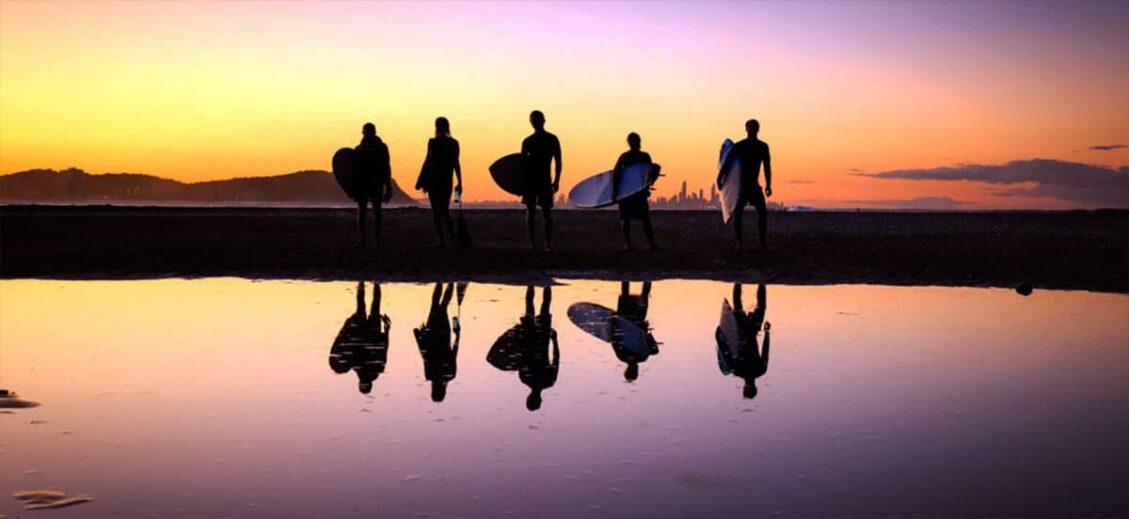
Puddles and Water: An Upside-Down World
Puddles are one of the most accessible ways to work with reflections, especially after rain. A low shooting angle is crucial: the lower the camera, the clearer and more expressive the reflection. Often, the best shot is achieved when the main subject isn’t directly in the frame at all, but is present only in the reflection. Add movement: a person’s footstep, a ripple from a drop, a bicycle wheel. This will bring the reflection to life and remove the static look from the frame.
Settings
- Focus on the reflection, not the water’s surface
- Use an aperture of f/5.6–f/8 to maintain sharpness
- Shoot on overcast days—harsh sunlight destroys reflections
Shop Windows and the City: Layers and Rhythm
Shop and cafe windows are the perfect setting for complex compositions. Here, reflections, objects behind the glass, and the street merge into a single frame. To avoid overcrowding the image, choose one dominant element: a face, a mannequin, a gesture, or a spot of light.
Don’t rush the shutter. In such scenes, timing, not technique, is crucial.
Settings
- Shooting at 35–50 mm to maintain a natural perspective
- Slight underexposure (-0.3 / -0.7 EV) to avoid blown highlights
- Anticipating the moment—reflections come to life when a person enters the frame
Reflections and Movement: How to Frame People
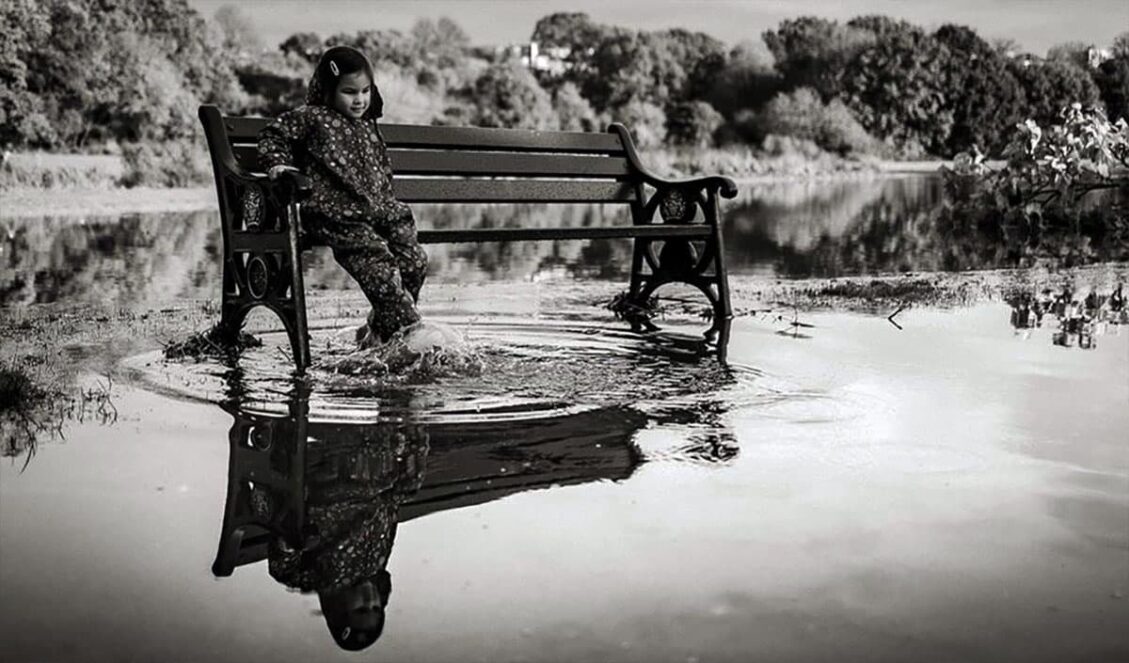
Reflections are especially expressive when they include movement. Passersby, cars, opening store doors, or rippling water in a puddle add a layer of unpredictability to the frame. To maintain scene clarity, use a shutter speed of 1/250–1/500 to freeze the figure, or 1/30–1/60 to achieve a subtle blur in the reflection.
Try not to center the person exactly in the reflection—shifting the figure to the edge of the glass or display case creates the feeling of peeping rather than posing. A good technique is to wait until the reflected person and the real object in the frame “meet” visually, for example, when a face matches a mannequin or advertising image. This strengthens the narrative and adds layers to the frame.
Color, Polarization, and Flare Control
A polarizing filter can be both a helper and a hindrance. If you completely remove glare, the reflection will disappear, rendering the shot meaningless. Instead, partially rotate a CPL filter to retain reflections while reducing flare. This is especially effective on storefronts on a sunny day.
Keep an eye on the color balance: glass often introduces a cool, greenish cast. Shoot in RAW and adjust the white balance manually—automatic WB often makes mistakes in such scenes. To enhance the atmosphere, intentionally leave a color cast: cool reflections work well for urban shots, while warm ones work well for evening streets and cafes.
Conclusion
Reflections are a way to tell a story indirectly. You don’t show the object directly; you invite the viewer to guess, to complete the scene, to linger over the frame. Glass, water, and shop windows give the photographer the opportunity to work more deeply with space than in direct shooting. The more you consciously seek out reflections, the more quickly you begin to see the city not as a collection of objects, but as a multilayered visual environment.